
 Posted by
Reading bits and pieces from a Japanese research publication titled 研究紀要 第18号 (Research Bulletin, No. 18) from Saga Castle Museum.
As I’m doing a research project on the Ryuzoji of Hizen I came across a plethora of materials from the library.
Here’s a summary from the latest research.
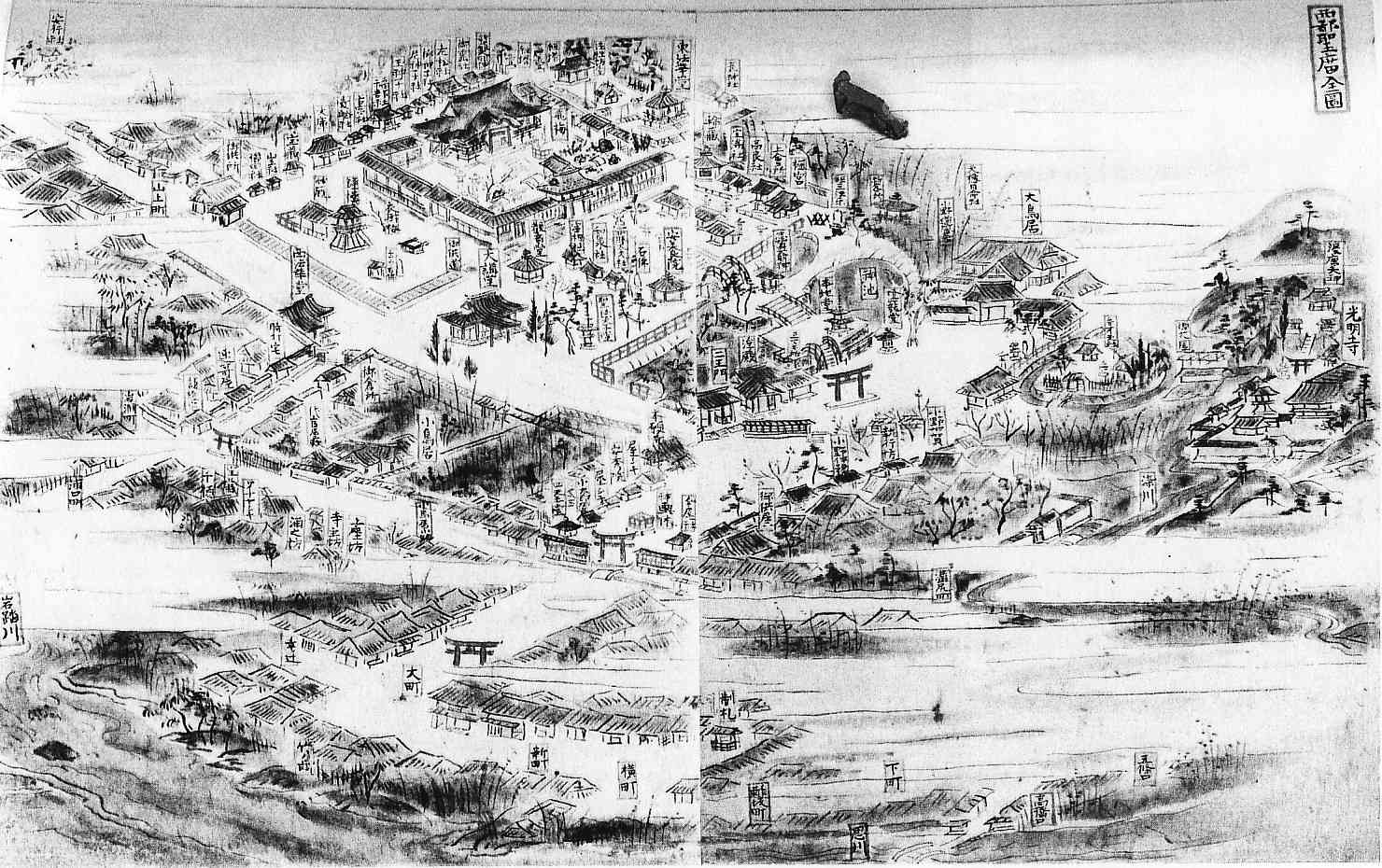
I’m looking at the family relationships of the Ryuzoji clan, the sons of Ryuzoji Yasuie (龍造寺康家) including Taneie and Iekazu of the Muranaka Ryūzōji family had marriage ties with Kotorii Nobumoto (小鳥居信元), a representative of the Dazaifu Tenmangū shrine administration.
Numerous estates belonging to Tenmangu were also located throughout Hizen Province.
These included:
– Ushijima Estate (牛嶋庄)
– Saga Estate (佐嘉庄)
– Kakiku Estate (蠣久庄)
These estates were scattered throughout areas in which the Ryuzoji clan exercised influence.
The author further notes that Kakiku Estate continued to exist into the late medieval period. In Tenbun 24 (1555), Shōni Tokinao (少弐時尚), also known as Fuyuhisa (冬尚), confirmed the position of chief priest of Oimatsu Shrine to a member of the Otorii family.
This illustrates the continued importance of religious institutions and their landholdings in the political landscape of Hizen.
The document’s address and accompanying names
Ryuzoji Saburobei-no-jo Iekado (龍造寺三郎兵衛尉 家門)
This is Ryuzoji Iekado (son of Iekane), identified by his formal court style title.
The accompanying address lists several Buddhist clerics or temple offices, including:
– Kengyo-bo (検校坊)
– Goto-bo (勾当坊)
– Joshu-bo (常修坊)
– Tsukiji-bo (築地坊)
– Rokudoji (六度寺)
– Anshoji (安祥寺)
The document is associated with Dazaifu Tenmangu and its religious administrations.
This page gives us a valuable insight into the political world surrounding Ryuzoji Iekane and his son Iekado. The Ryuzoji clan’s power involved more than military strength. Its influence also extended into temple estates, shrine administration, property rights, family alliances and the confirmation of religious landholdings.
The position of the Ryuzoji clan can be seen in the fact that, in the fourth year of Joroku (1561), Chiba Okitsune was appointed to a position within the Muranaka Ryuzoji clan in Hizen. This is also reflected in the statement from shrine documents that he was “a relative of the family and a person of sufficient standing to be entrusted with the position’.
Miyagu Takahide (宮隅敬一) is described as a candidate who had entered service but had not yet received a formal appointment. In a document dated September 2, the third year of Joroku (1560), concerning the repair expenses for the upper riverbank shrine building, the amount contributed by the Ryuzoji family head was recorded as ten kanmon. Compared with the ten kanmon contributed by the local landholding authorities, this was a substantial sum. This suggests the importance and influence of the Ryuzoji clan and its head within the Muranaka Ryuzuji temple community.
Looking at the activities of the Mizugae Ryuzoji family through donation documents, the temple’s abbot held many of the positions of authority. One such estate was Kojoji temple, of Mitsune District, which was associated with the Ryuzoji clan and served as its family head.
It should also be noted that Kojoji was a temple with close connections to the Kyushu Dazaifu administration and the Shiso family. If this is taken into account, there is a possibility that the title gunji (郡司, district official) refers to the Chikuzen provincial government, which operated under the protection of the Shiso family.
The web of connections never ceases to amaze me. Wonderful, but also very confusing to ascertain who had political and religious alliances and I suppose a bigger question is, what happened to these alliances when conflict broke out.
Anrakuji estate 1050AD


You must be logged in to post a comment.