
 Posted by
 Hi all.
My friend Mark and I went on a day trip to Matsuura in Nagasaki last Monday.
The goal was to visit 2 castle ruins which were built by the Hata clan of the Matsuura pirates.
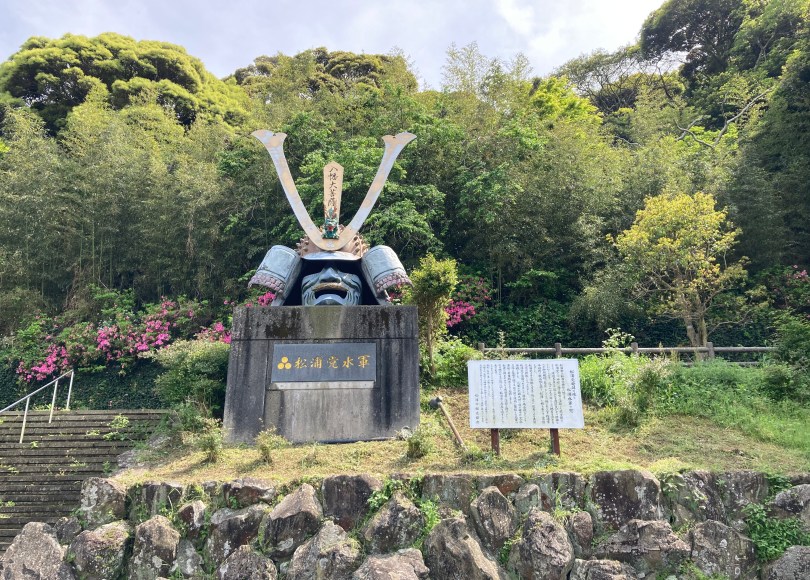
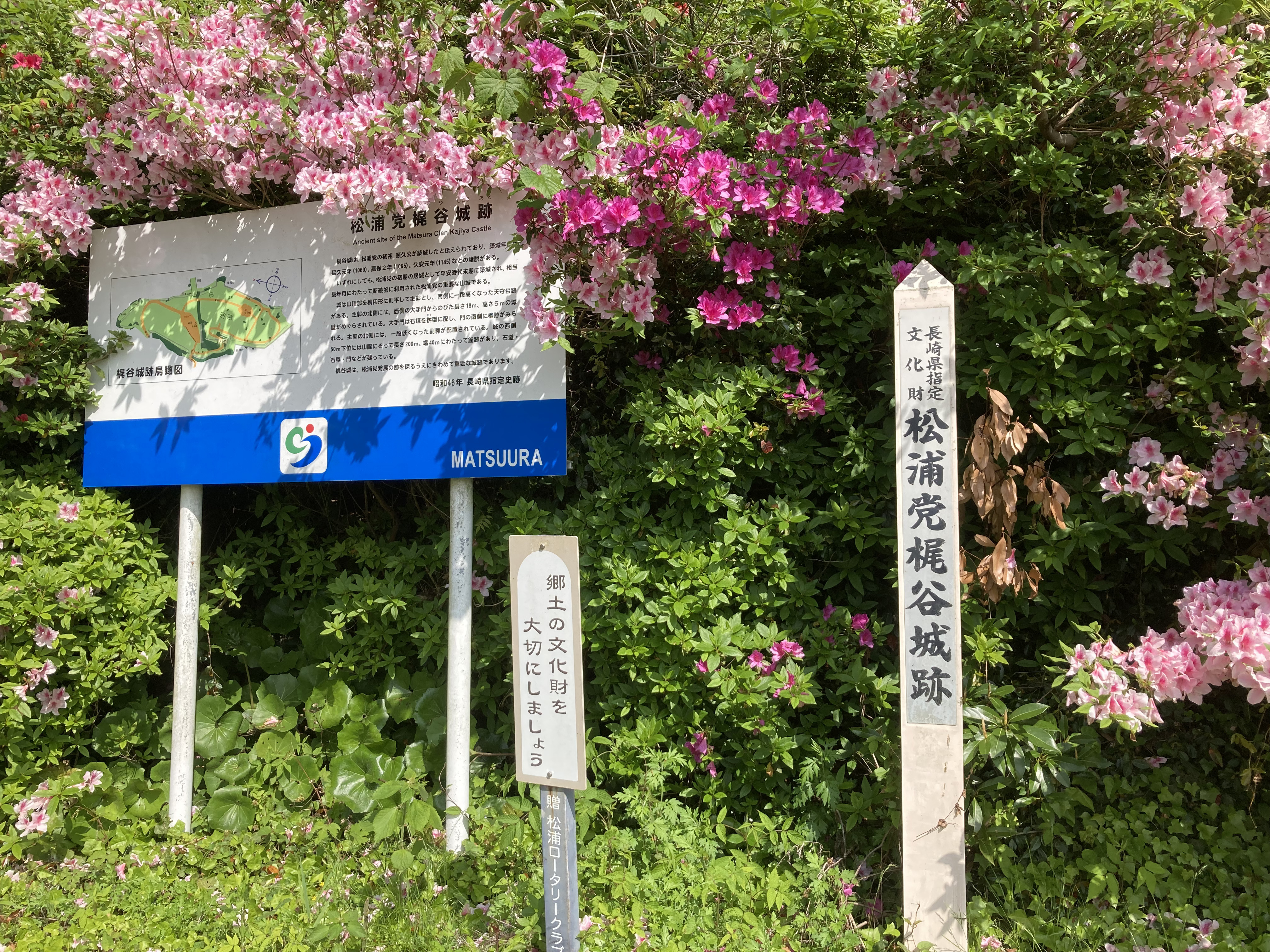
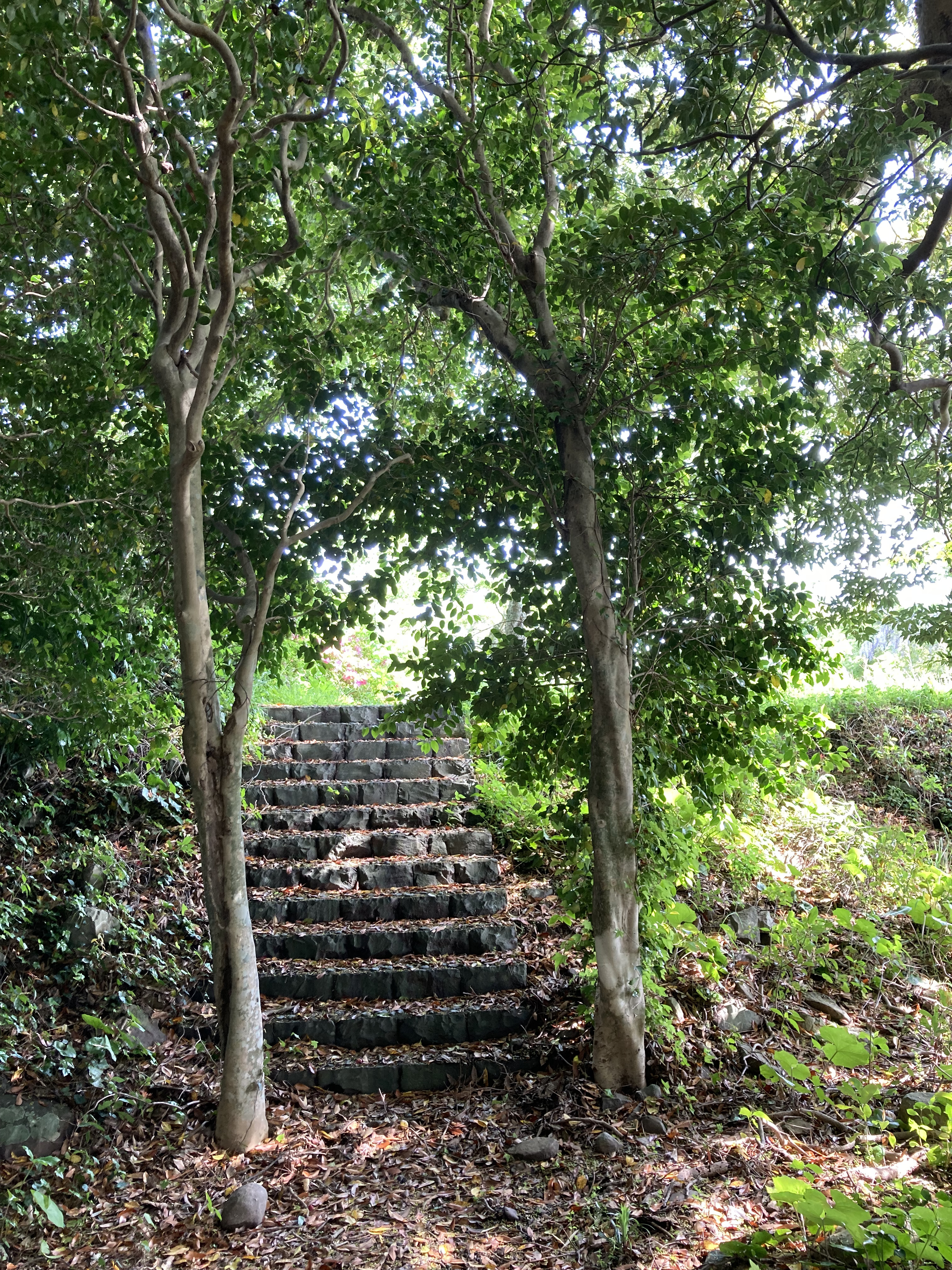
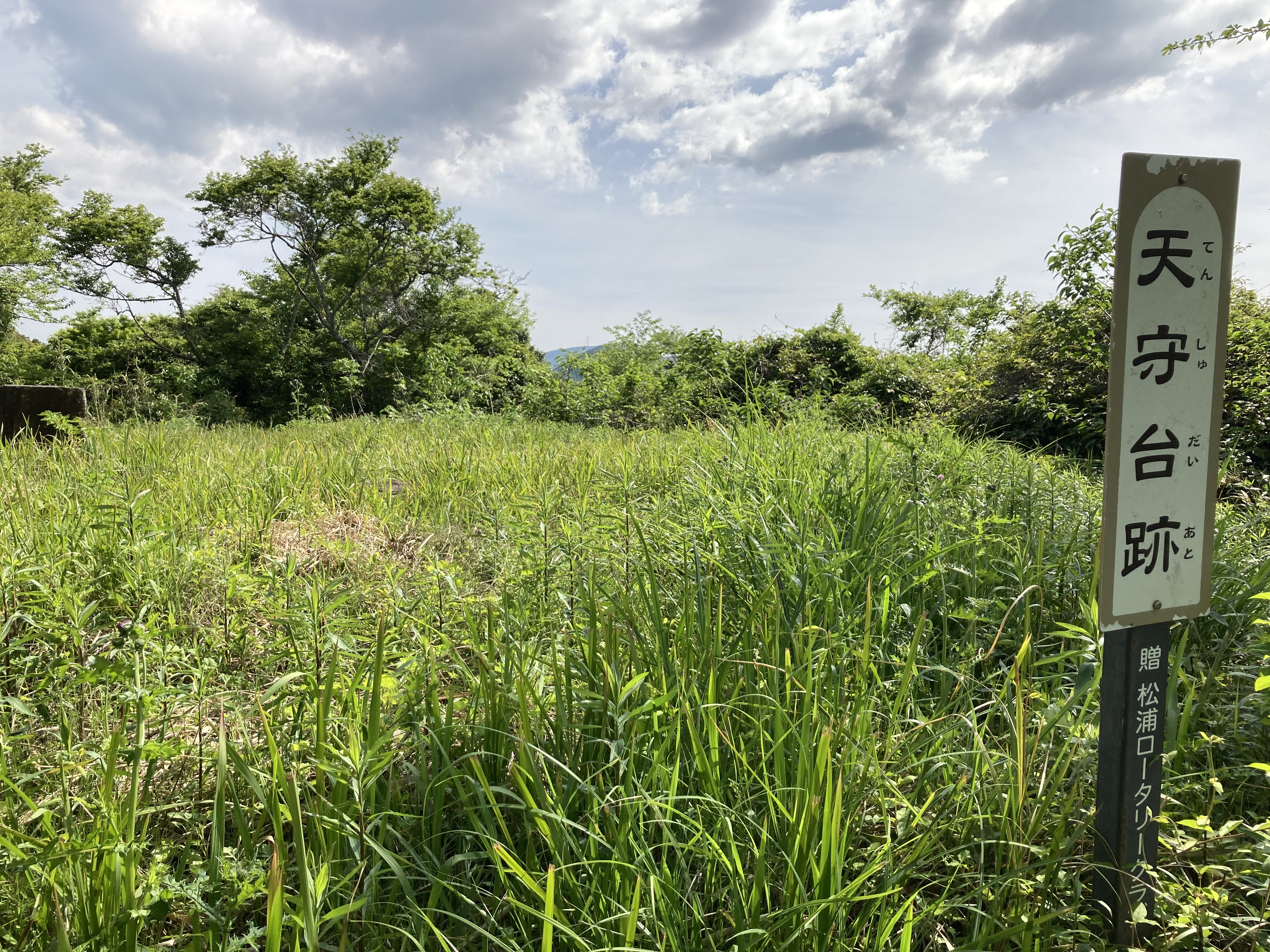
We went to Karukaya first only to be met by a road block. No car entry! So we left the car at the fishing port and walked up then told by some labourers that the site is closed due to landslides.  I asked about the ruins and were told that they are ok and it is just the road going up that is affected. OK. So next castle was Kajiya, the home castle of the Hata clan who were a part of the Matsuura pirates. Built in 1055 at the end of the Heian period. Guess what? Again. Met with a road block! However. This time we ignored it, parked the car and went up on foot. Part of the service road was being repaired but that’s all. We made it up to the ruins although they weren’t maintained at all so it was hard to see the site. I don’t advise anyone to go to either until they open up again and cut the grass. A little more info about the Matsuura pirates that I’m writing for my blog now.
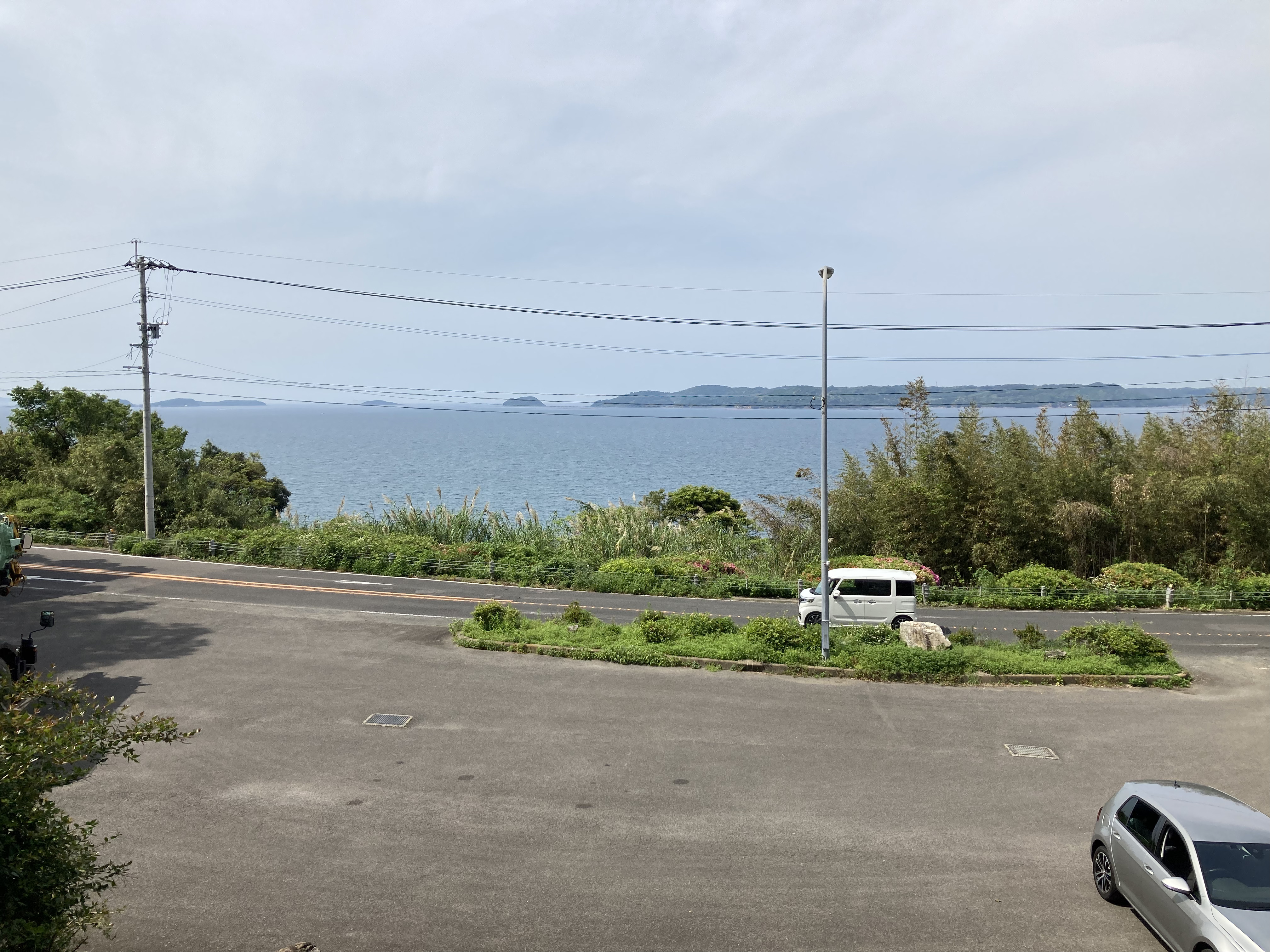
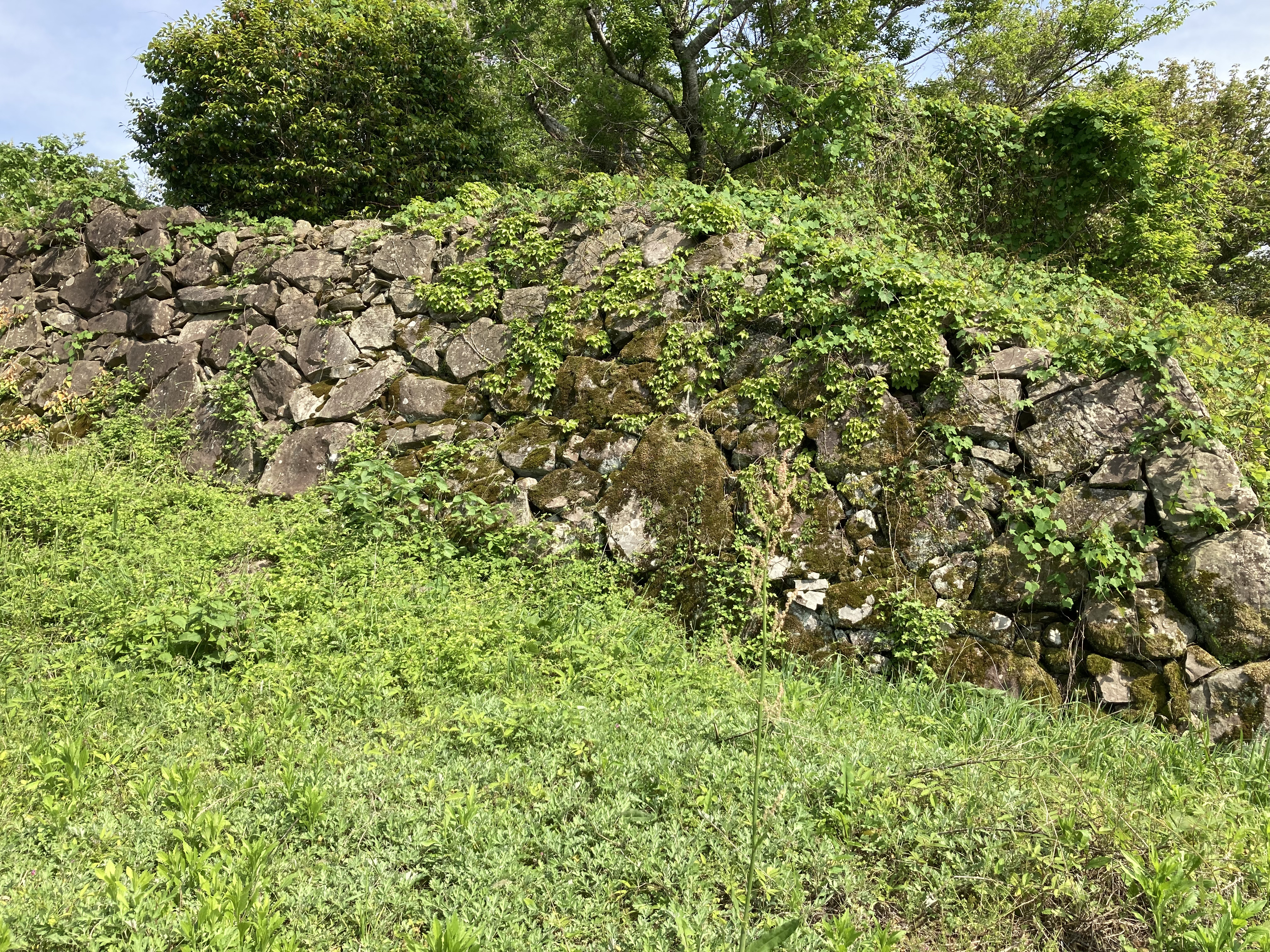
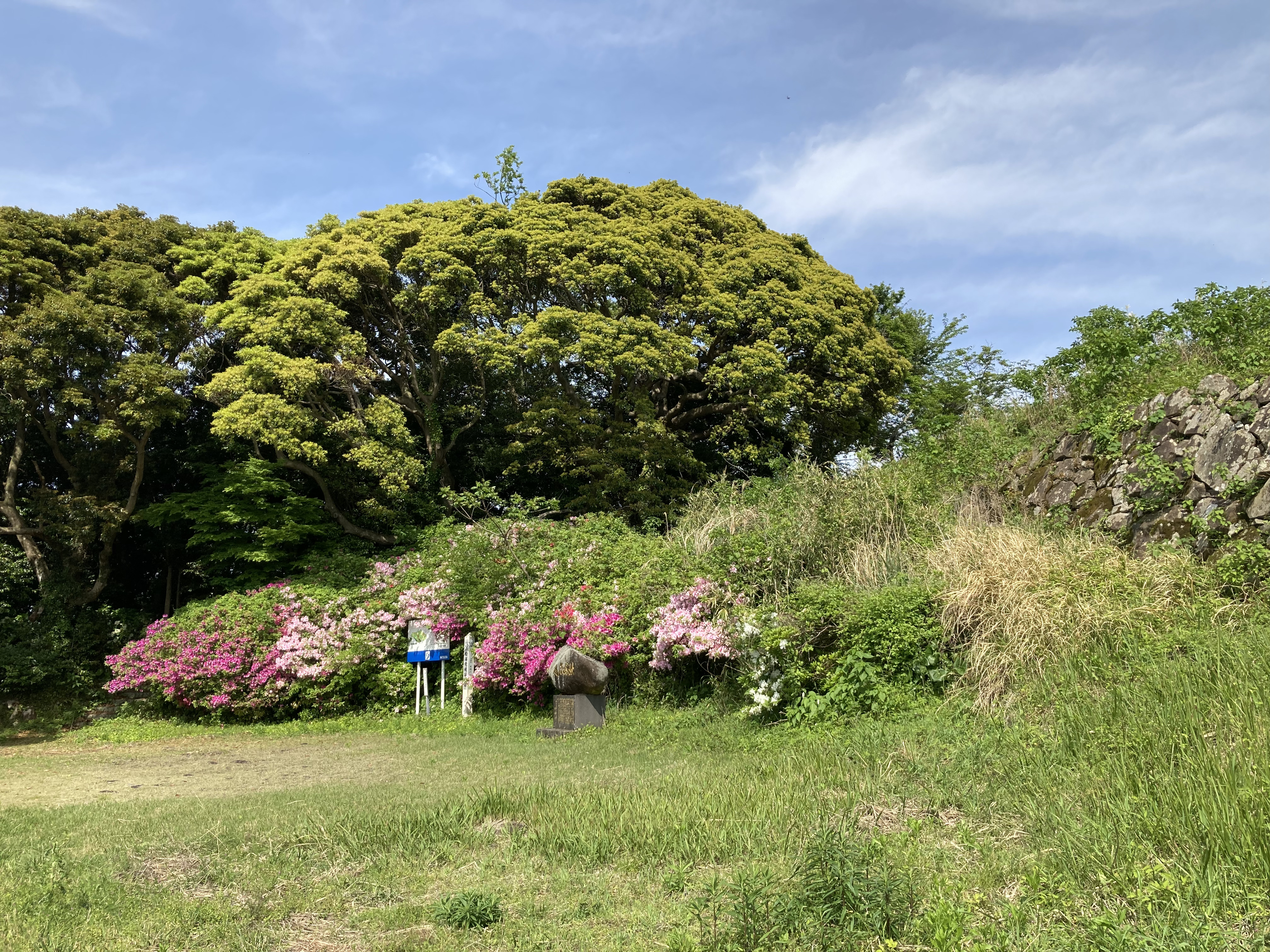
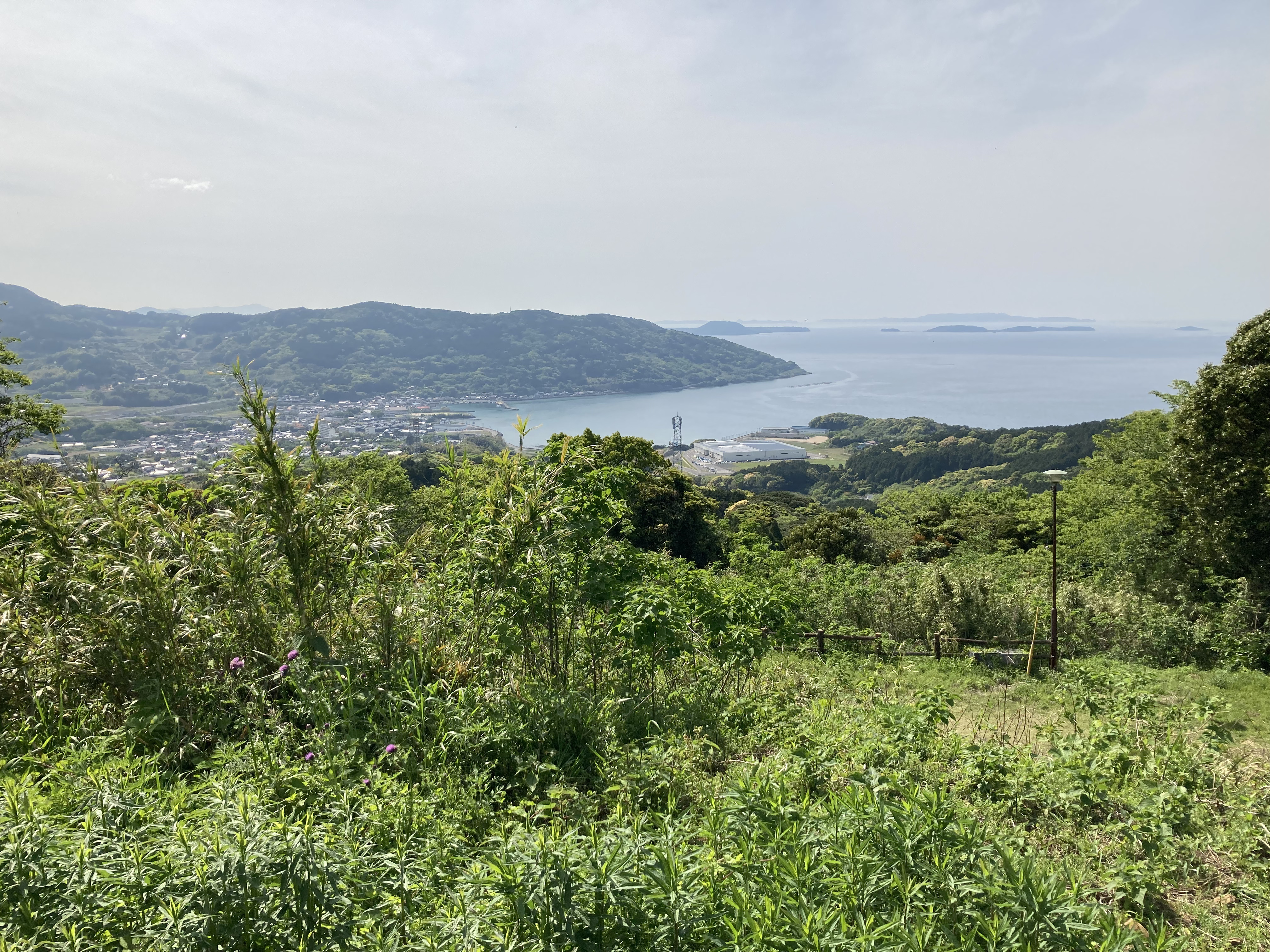
`The Matsuura pirates were From Kajiya castle, the stronger of the two and both prospered from the smuggling trade. Kajiya castle developed into a larger fortress as it was located on the peninsula overlooking and on the west coast of Imari Bay. Kajiya is a now a ruin and there are only some stone walls left, but if you look down from the castle even today, you can see why the location was chosen. Nearby islands of Fukushima and Takashima act like a breakwater, the swell and choppy waters are calmer compared to most Japanese coastal areas. Also, any invading enemy could be spotted with time to organise a defence or arrange for interception. Both islands could also be used for surprise attacks if needed. The Hisashi family who later became the Matsuura of Hirado, but more of this later. Near Kajiya, closer to the town of Matsuura was Karukaya castle. A few years ago a study was done by the Matsuura city council on the castle site. Surprisingly the archaeological survey uncovered a wealth of Palaeolithic stone tools and weapons which proves that the ancient Jomon hunters and gatherers had settled in the area. As for the castle, only some earthenware and stone walls were found although local historians believe it was a pirate fortress and smugglers den due to its location protecting the entry into Imari bay and a couple of mentions of it during the Mongol Invasions when it was used as a base to attack the invasion forces. Also, in the area on the north shore of Karukaya Castle, there are stone mounds, fortifications, warehouses, drainage ditches and other remains which suggest a pirate base.`
STU


You must be logged in to post a comment.