

 Posted by
 I just asked ChatGPT to edit some notes I have about Tachibana Castle, here in Fukuoka. This is what it did and it’s quite good.
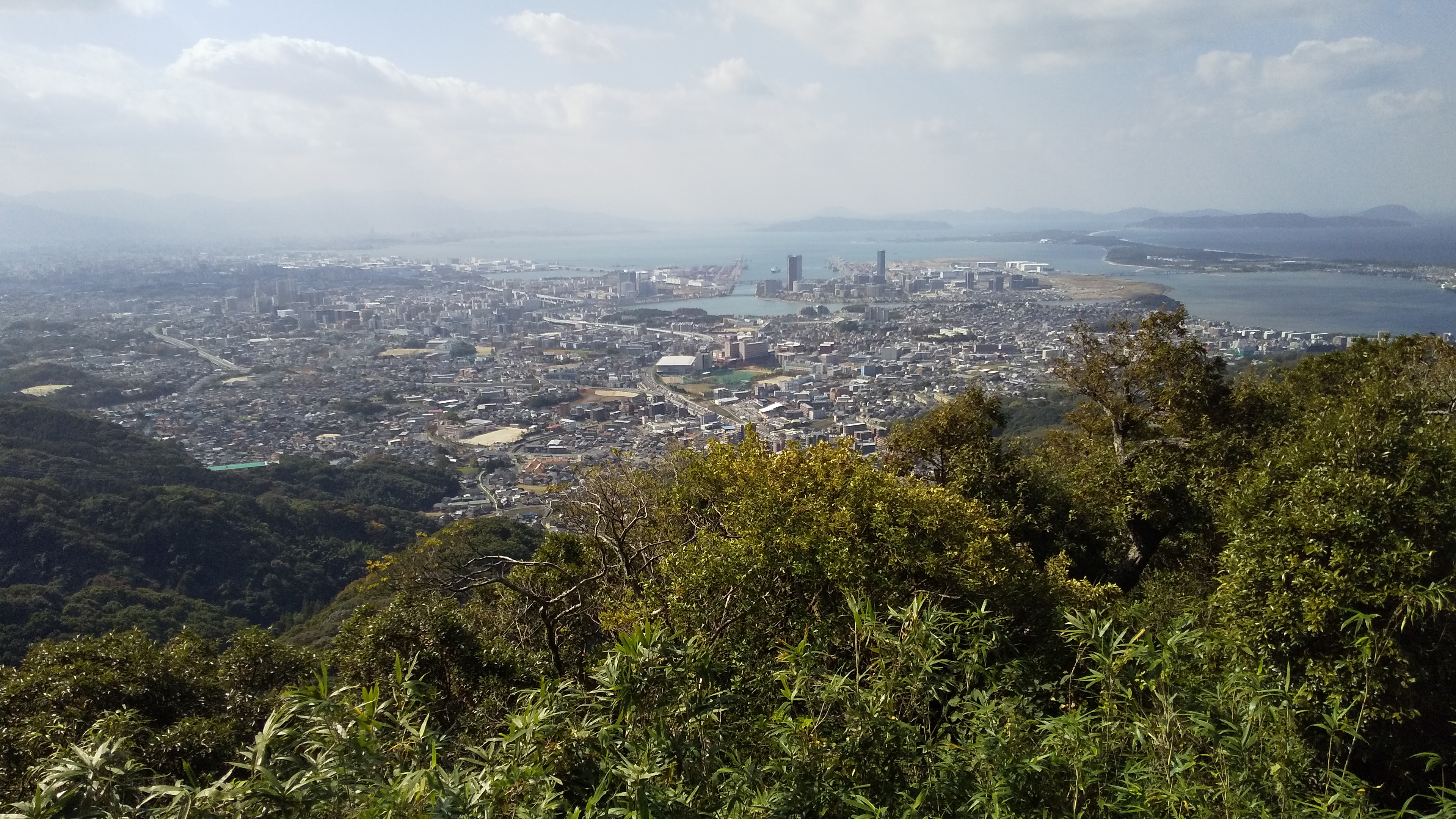
Tachibanayama Castle (立花山城) is located at the summit of Mount Tachibanayama, a 360-meter-high mountain situated in the northeastern part of Fukuoka City. The mountain stands as a steep and prominent peak on the western edge of a mountainous region that separates modern-day Fukuoka from the Kitakyushu area. A key road connecting the Kitakyushu area to Fukuoka passes through a narrow corridor to the west of Mount Tachibanayama, bordered by both mountains and coastline.
Due to this strategic geography, Tachibanayama Castle held great military significance. It served as a critical watchpoint and defensive stronghold to guard Hakata, an important medieval Japanese city and one of the major trading ports of the time.
Construction of Tachibanayama Castle
Tachibanayama Castle was originally built by Sadatoshi Ōtomo (?-1336), a relative of the Ōtomo clan, which governed Bungo Province (present-day Ōita Prefecture). The Ōtomo clan had its roots in Sagami Province (modern Kanagawa Prefecture). The clan rose to prominence under Yoshinao Ōtomo (1172–1223), its de facto founder, who was a close ally of Minamoto no Yoritomo (1147–1199), the founder of the Kamakura Shogunate. With Yoritomo’s support, the Ōtomo clan advanced their influence and status.
During the Shimazu invasion of northern Kyushu in the late 16th century, Tachibanayama Castle played a crucial strategic and defensive role in the conflict between the Ōtomo clan and the powerful Shimazu clan from Satsuma (present-day Kagoshima).
Historical Context: Shimazu Invasion
In the 1580s, the Shimazu clan was aggressively expanding its territory throughout Kyushu. After defeating several regional powers, including the Ryūzōji clan of Hizen Province, the Shimazu turned their attention to the Ōtomo clan, which controlled northern Kyushu from their base in Bungo Province.
By 1586, the Shimazu launched a full-scale invasion of Ōtomo territory. Their goal was to capture Hakata and secure control of all Kyushu. At this point, Tachibanayama Castle, located near Hakata in Fukuoka, became a key defensive bastion guarding the northern approaches.
Role of Tachibanayama Castle
Military Stronghold: Tachibanayama Castle was the northernmost front-line defense for the Ōtomo clan. Its commanding position overlooking the coastal route made it vital for observing enemy movements and controlling access to Hakata.
Delayed Shimazu Advance: The castle, along with other fortifications in Chikuzen Province (now Fukuoka Prefecture), helped slow down the Shimazu forces and prevent them from quickly overrunning Hakata.
Symbol of Resistance: As one of the last major fortresses before Hakata, its defense represented the Ōtomo clan’s last stand in northern Kyushu before seeking external assistance.
Outcome and Later Developments
Despite the Ōtomo clan’s efforts, they were on the brink of defeat until they appealed to Toyotomi Hideyoshi, the powerful warlord who was in the process of unifying Japan. In 1587, Hideyoshi launched the Kyushu Campaign, swiftly defeating the Shimazu and restoring the Ōtomo’s territories—though not their independence for long.
After Hideyoshi’s campaign: Tachibanayama Castle was taken over by Kuroda Kanbei, a key general under Hideyoshi, who was later given control of Chikuzen Province.
The castle was eventually abandoned in the early Edo period, as the Kuroda clan established Fukuoka Castle on more accessible lowland terrain.
Here’s a map-style explanation of the Shimazu invasion of northern Kyushu (1586–1587) with key movements and castle roles, focusing on Tachibanayama Castle’s position in the conflict:
Shimazu Invasion of Northern Kyushu – Strategic Overview
Shimazu Clan (Invasion from the South)
Base: Satsuma Province (Kagoshima Prefecture)
Leaders: Shimazu Yoshihisa and his brothers
Objective: Conquer all of Kyushu, especially the wealthy port city of Hakata
Advance Path:
Moved northward through Higo Province (Kumamoto)
Hizen Province (Saga)
Chikugo Province (southern Fukuoka)
Routed many smaller lords and defeated the Ryūzōji clan at the Battle of Okitanawate (1584)
Ōtomo Clan (Defenders in the North)
Base: Bungo Province (Ōita Prefecture)
Allied Strongholds:
Tachibanayama Castle (Fukuoka)
Iwaya Castle (border of Chikuzen/Chikugo)
Other mountain castles across Chikuzen
Key Locations and Movements
1. Chikugo Province
Shimazu advanced through here after defeating local clans.
Heavy fighting at Iwaya Castle (1586), where a small Ōtomo garrison resisted thousands of Shimazu soldiers. Though it fell, the defenders bought time for the Ōtomo to send for aid.
2. Tachibanayama Castle (Chikuzen Province)
Located northeast of Iwaya, near the coast, overlooking key routes into Hakata. Acted as a watchpoint and final defense before the Shimazu could reach the vital port of Hakata.
Its elevated position made it ideal for spotting movements along the narrow western corridor between the mountains and the sea.
3. Hakata (Modern Fukuoka City)
The economic and strategic prize of northern Kyushu. Control of Hakata meant control of northern trade and easy access to Honshu.
Tachibanayama Castle was the last natural barrier to protect Hakata from the southward-pushing Shimazu.
Arrival of Toyotomi Hideyoshi (1587)
Responding to the Ōtomo’s plea for help, Hideyoshi led a massive campaign from Honshu. Landed forces at multiple points including Hakata Bay. Quickly overwhelmed Shimazu positions, aided by the surviving local castles like Tachibanayama.
Shimazu surrendered, ending their campaign.
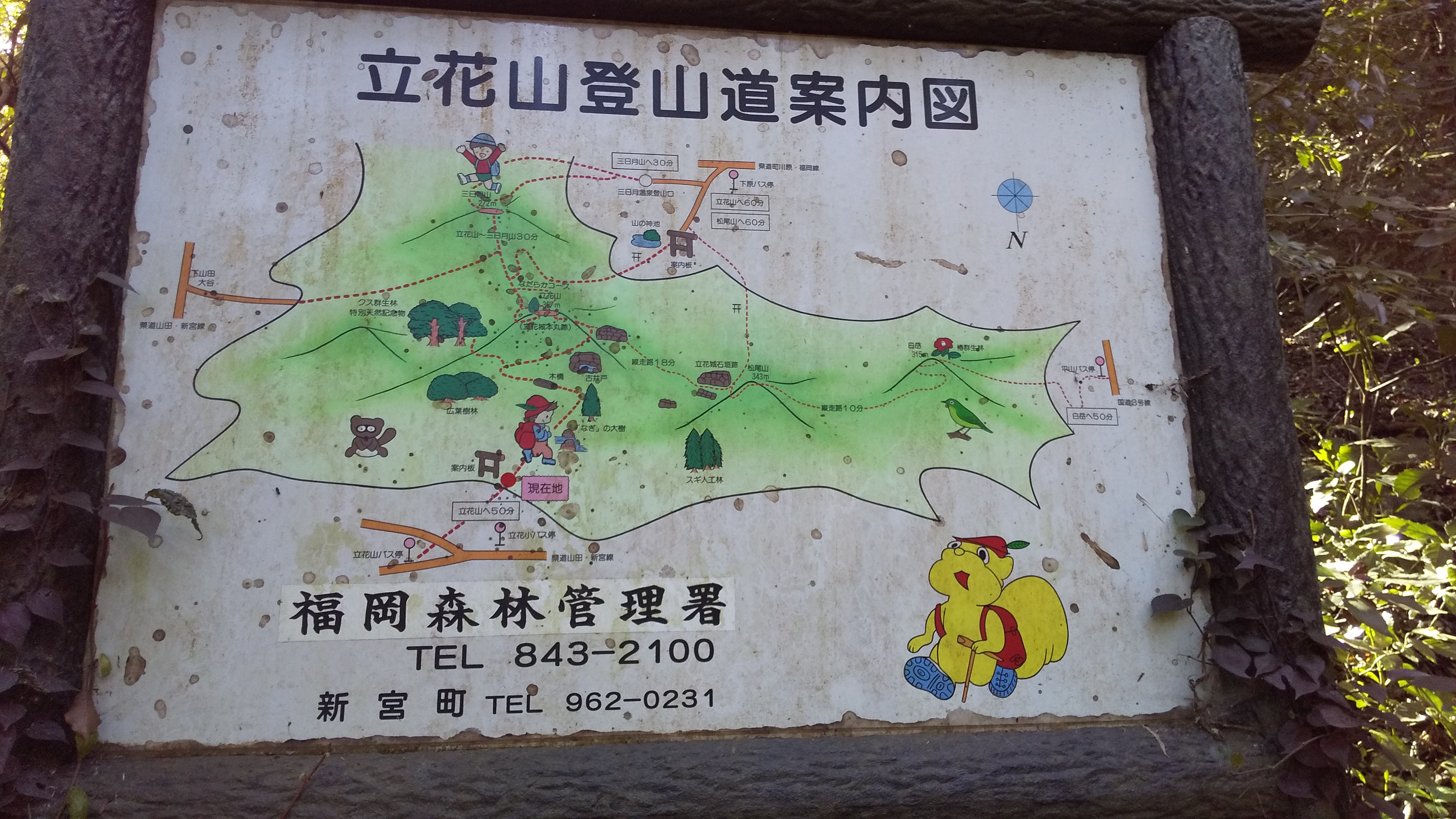
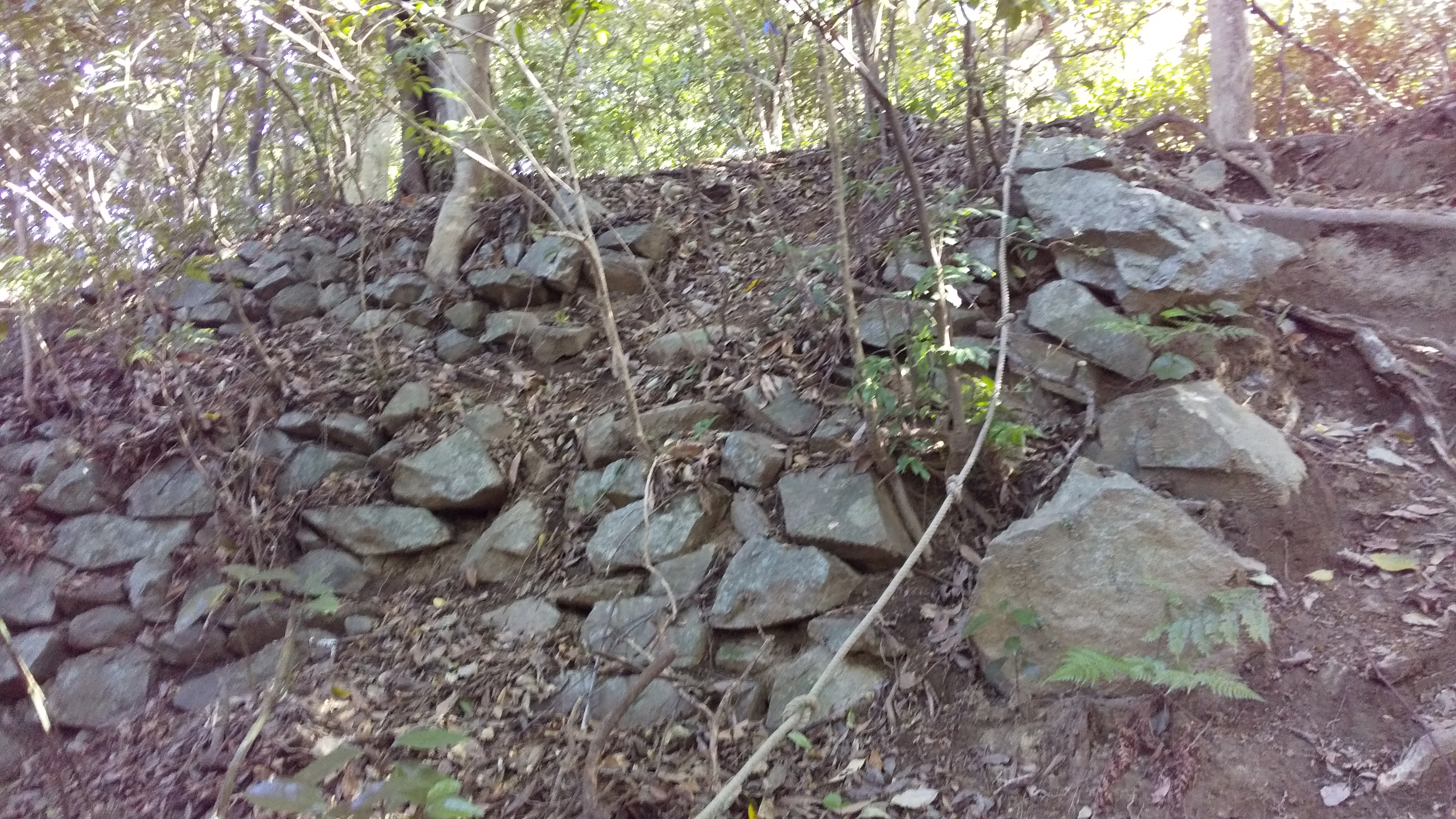
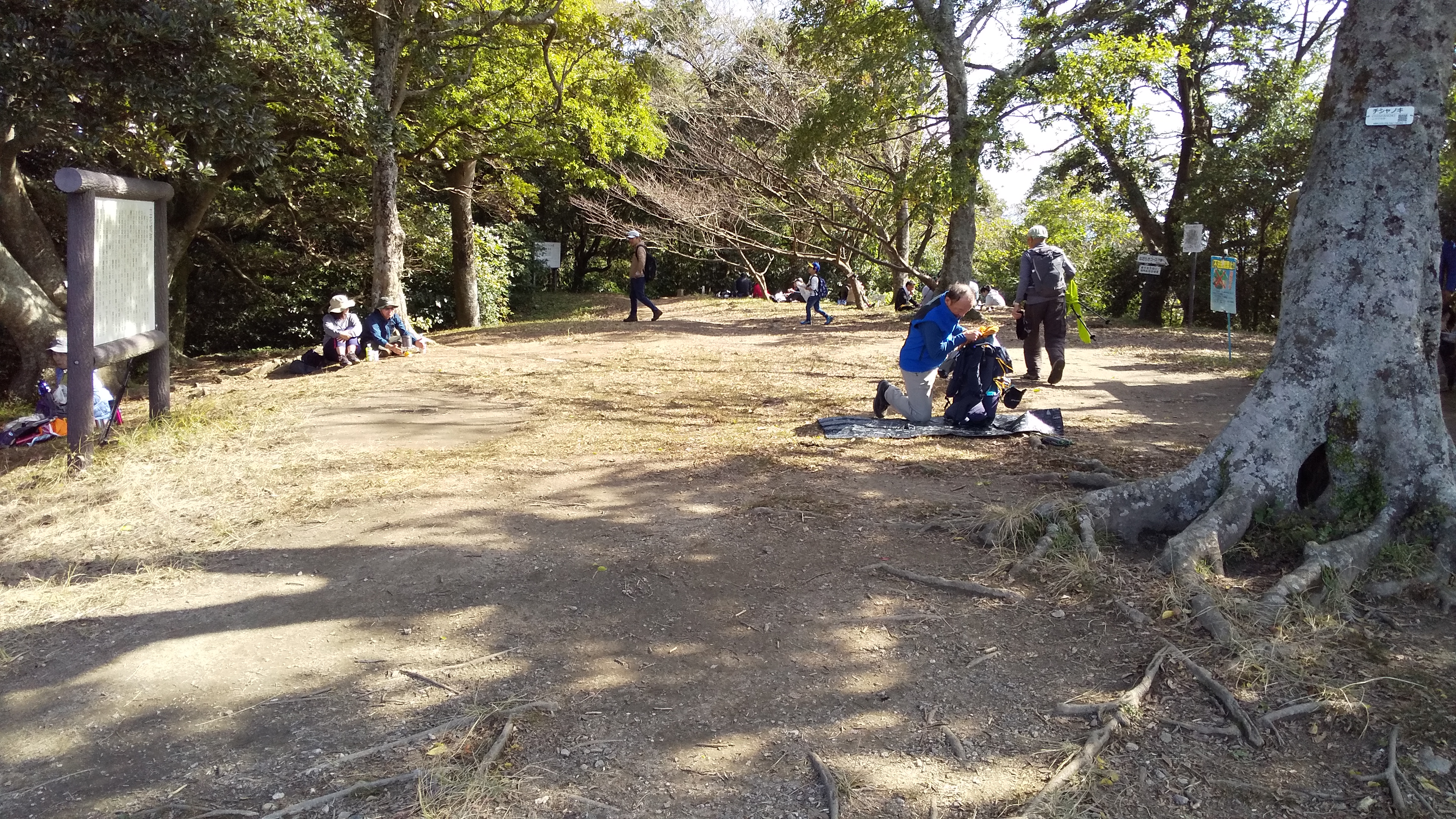
My photos from Tachibanayama Castle Ruins.




 Let's Dive into Japanese History
You must be logged in to post a comment.