

 Posted by
 I think Karatsu castle is one of my most visited castles. I have been there 4 or 5 times I think. Probably because it is the closest castle complex with a tenshu (keep) to Fukuoka city where I live. It is easy to take friends and family there and the town of Karatsu is nice and it has a lot of delicious seafood, especially the squid. I’m a little surprised that I haven’t done a post about this castle before. So here we go.


Karatsu Castle, also known as “Maizuru Castle,” (which is a little strange as Fukuoka Castle is also known as Maizuru castle) is a castle built on a smallish, mountain called Mt. Mitsushima, which juts out at the mouth of the Matsuura River. It is also classified as a “Umi-jiro” (castle on the sea) facing Karatsu Bay. In 1593, Toyotomi Hideyoshi and his large army entered Kyushu and eventually had an audience with the Hata lords of Matsuura county in Hizen. The Matsuura Party were a group of northern Kyushu pirate lords who managed to work together and establish an economical successful society in northern Kyushu since ancient times. During the height of the Sengoku Period the Matsuura were under the rule of the powerful Ryuzoji clan (once a vassal of the Shoni clan) lead by Takanobu, but after his death the Matsuura lands came under threat from The Satsuma clan from Kagoshima and Otomo in Oita. Hideyoshi’s move into Kyushu put a stop to Satsuma advancement and peace came to Kyushu, but for the Matsuura this peace came at a price as they lost all power within their own homelands.


Hideyoshi appointed Terasawa Hirotaka lord of Kishitake Castle, which was the home castle of the Hata clan (Kami-Matsuura) and received 83,000 koku. He was also given the job of constructing Hizen-Nagoya Castle in Hizen, the main base for Hideyoshi’s invasion of China through the Korean peninsula. Later, Terasawa Hirotaka was granted an additional 40,000 koku in Amakusa for his distinguished service in the Battle of Sekigahara in 1600. He became the first lord of the Karatsu domain with 123,000 koku.
Terasawa Hirotaka is believed to have built Karatsu Castle between 1602 to1608 on a plain with easy access to transportation, reusing many materials left over from Hizen-Nagoya Castle. Excavations since 2008 have revealed some eave tiles and gold leaf tiles similar to those found at Hizen-Nagoya Castle which confirms the reused materials, although it is also possible that some buildings may have been constructed earlier, but cannot be confirmed.

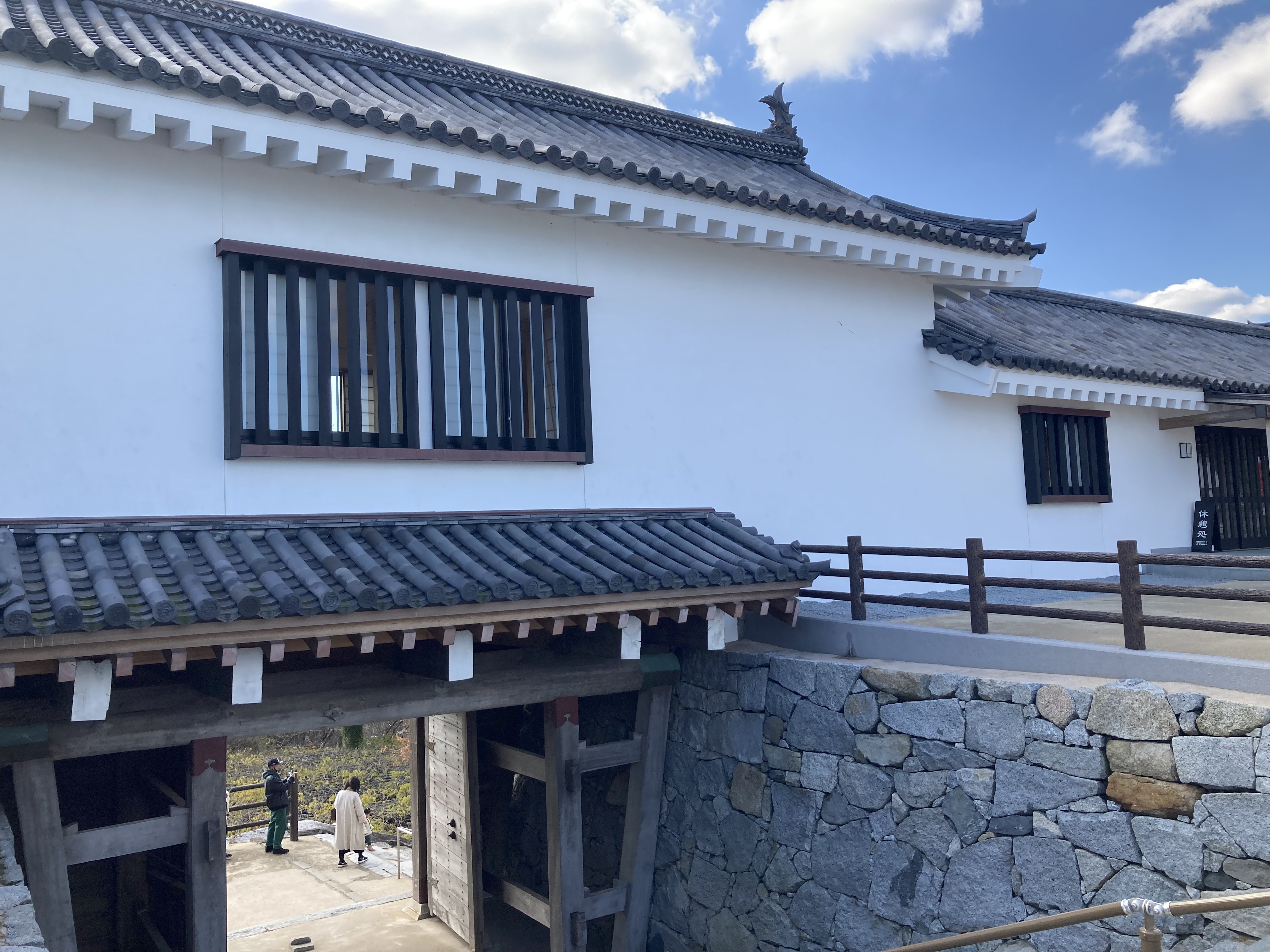

The tenshu (keep) was built in the Honmaru. However, it is said that a tenshu was not built due to reservations from the new Shogunate, Ieyasu Tokugawa who did not want new castles being built. The same fate happened for Fukuoka castle’s tenshu which was never built, or believed never to have been built. Other sources report that there was a tenshu when the castle was first built, but had since disappeared for some reason, probably dismantled after the one castle per prefecture was introduced by the Tokugawa. Doubt remains as Terasawa Katataka, the second lord of the domain, was blamed for mismanagement of the Shimabara Rebellion and lost his Amakusa territory which was confiscated by the Tokugawa shogunate. He later committed suicide and left no heirs, so all history of the castle was lost with the clan. As with most Edo period castles, Karatsu became rundown and derelict by the Meiji Period.
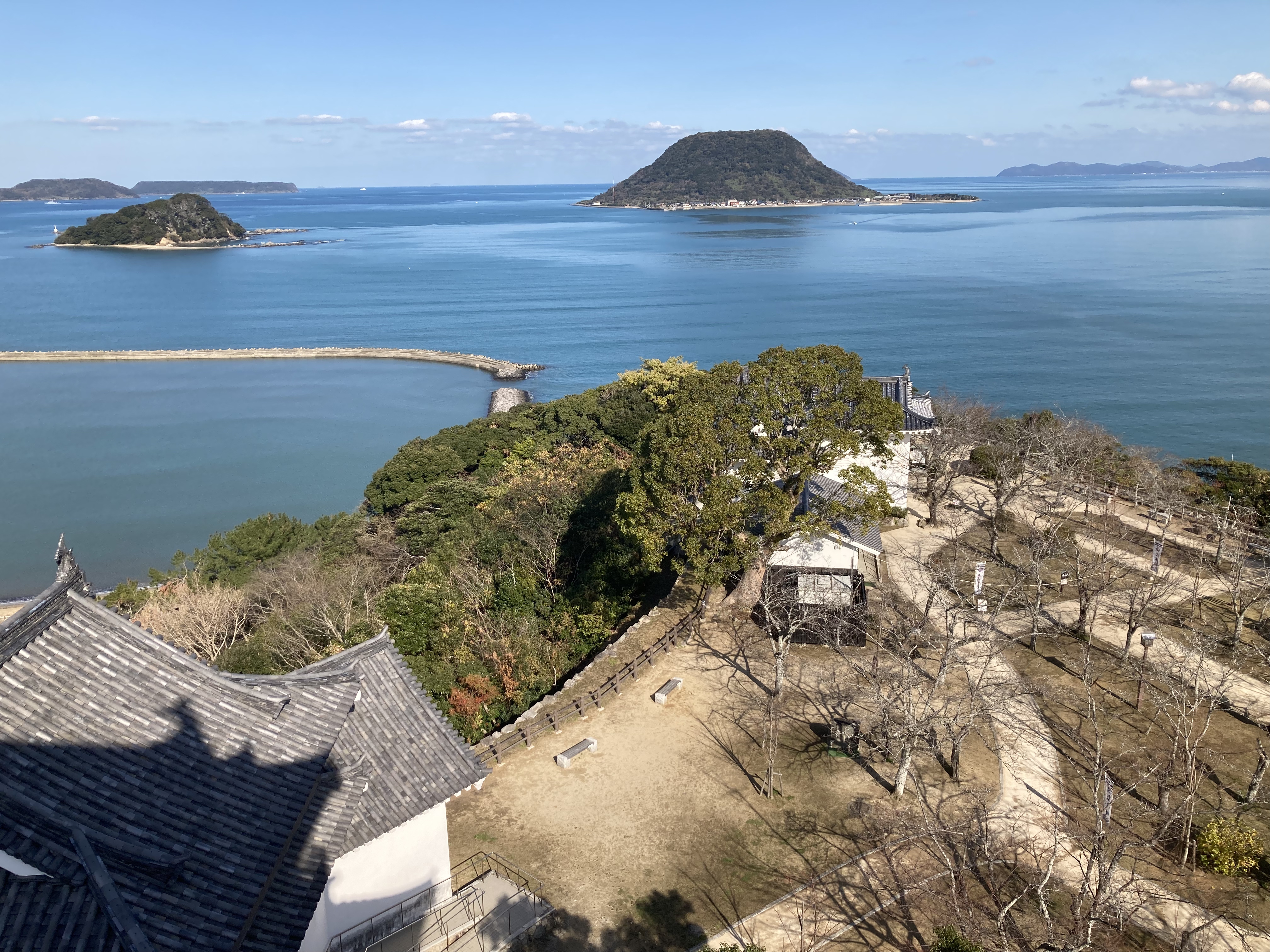
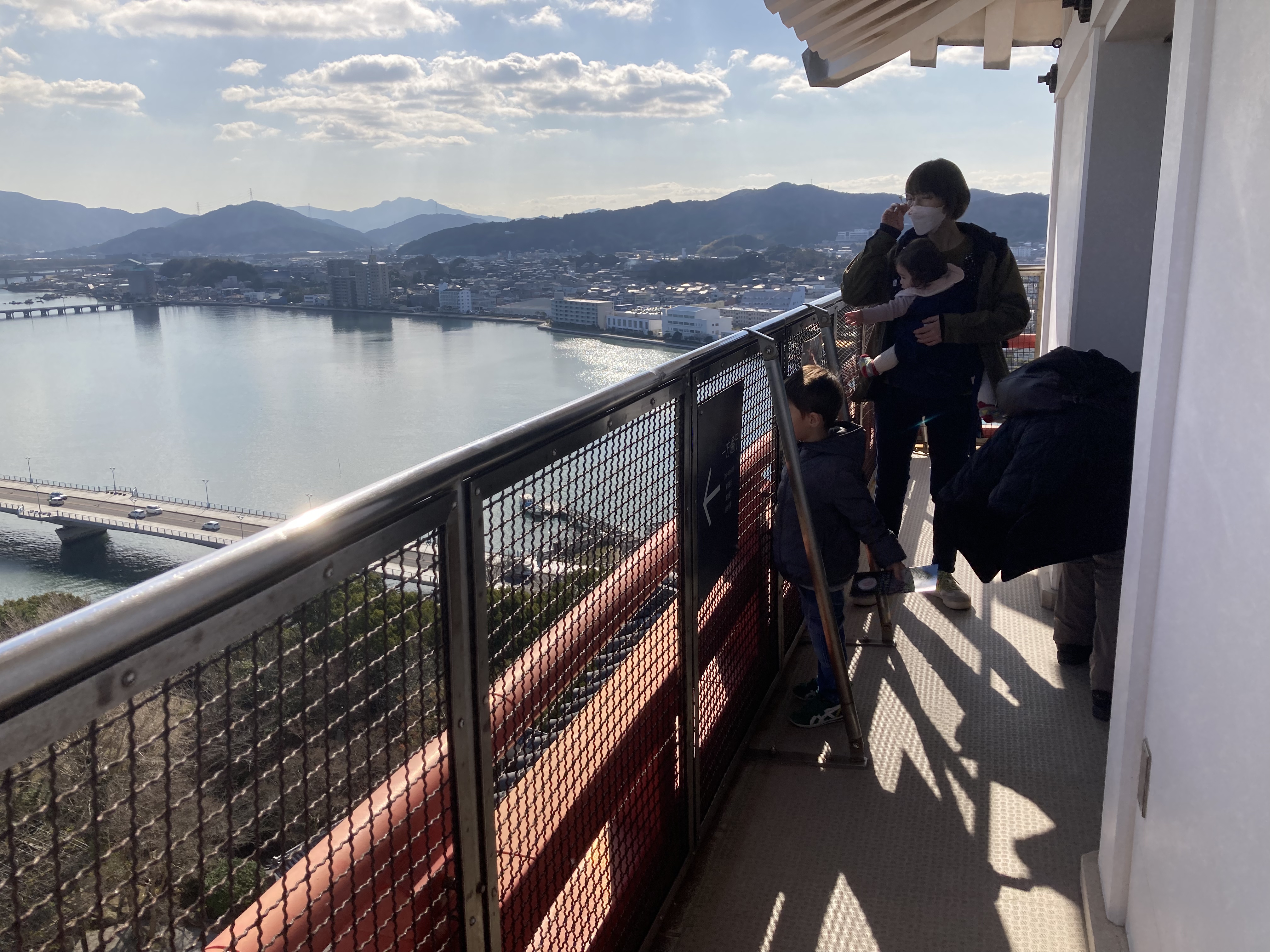
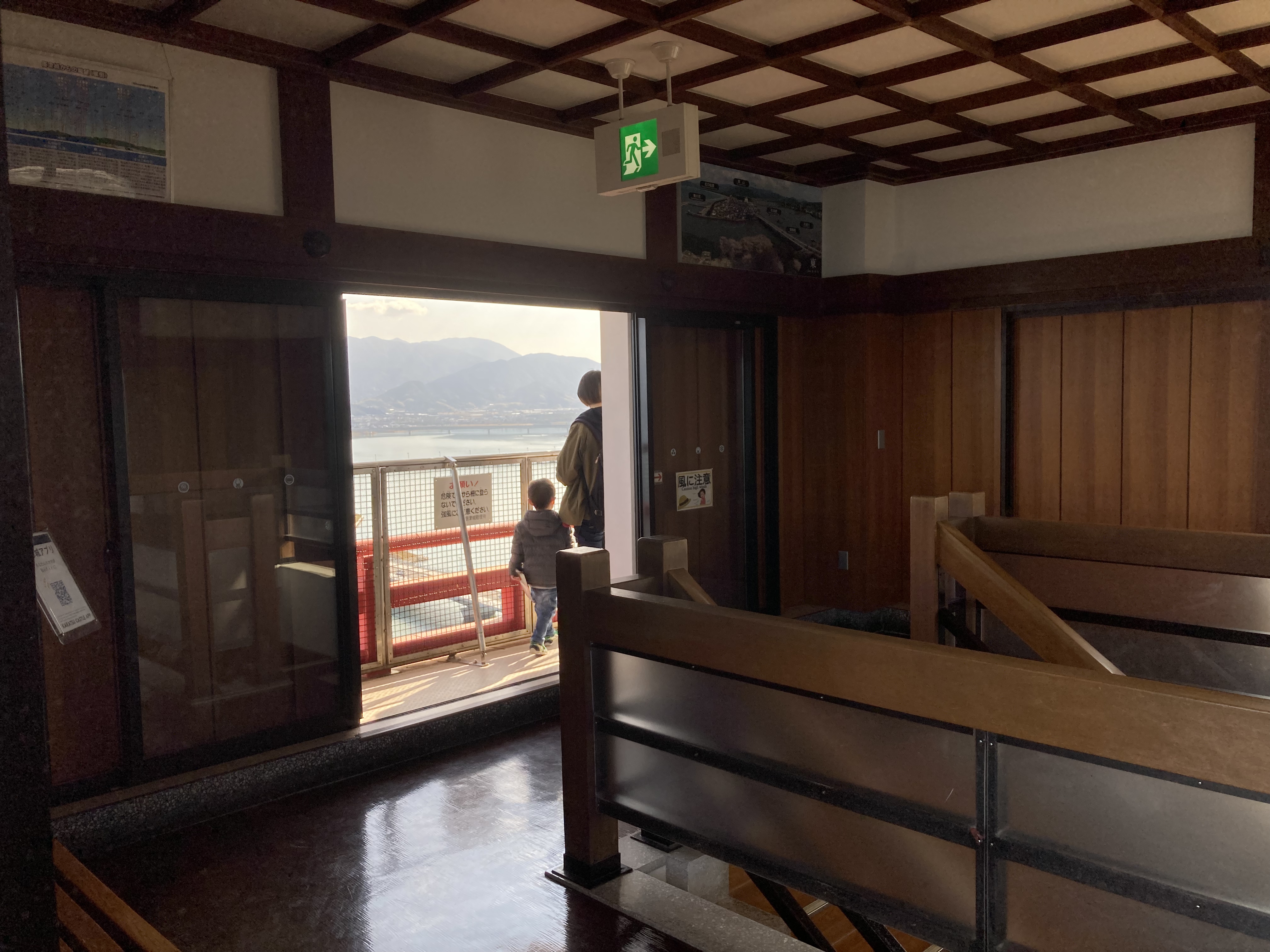
In 1966, a five-story Tenshu was constructed based on drawings from Hizen-Nagoya Castle. At the same time, a mon (gate) and a yagura (turret) were rebuilt. In 1993, the San-no-maru Tatsumi Yagura was restored. Today, the Honmaru site is Maizuru Park, the Ni-no-maru site is Waseda Saga Junior and Senior High School, and the San-no-maru site has been urbanized.
Nearby is “Niji-no-Matsubara,” one of the three largest pine groves in Japan, built by Terasawa Hirotaka as a windbreak to protect farmland from the sea breeze and blowing sand. The forest was also used as a source of wood for the castle, a training ground for the castle samurai and many small fruit and vegetable fields were established, many of which can still be seen today.
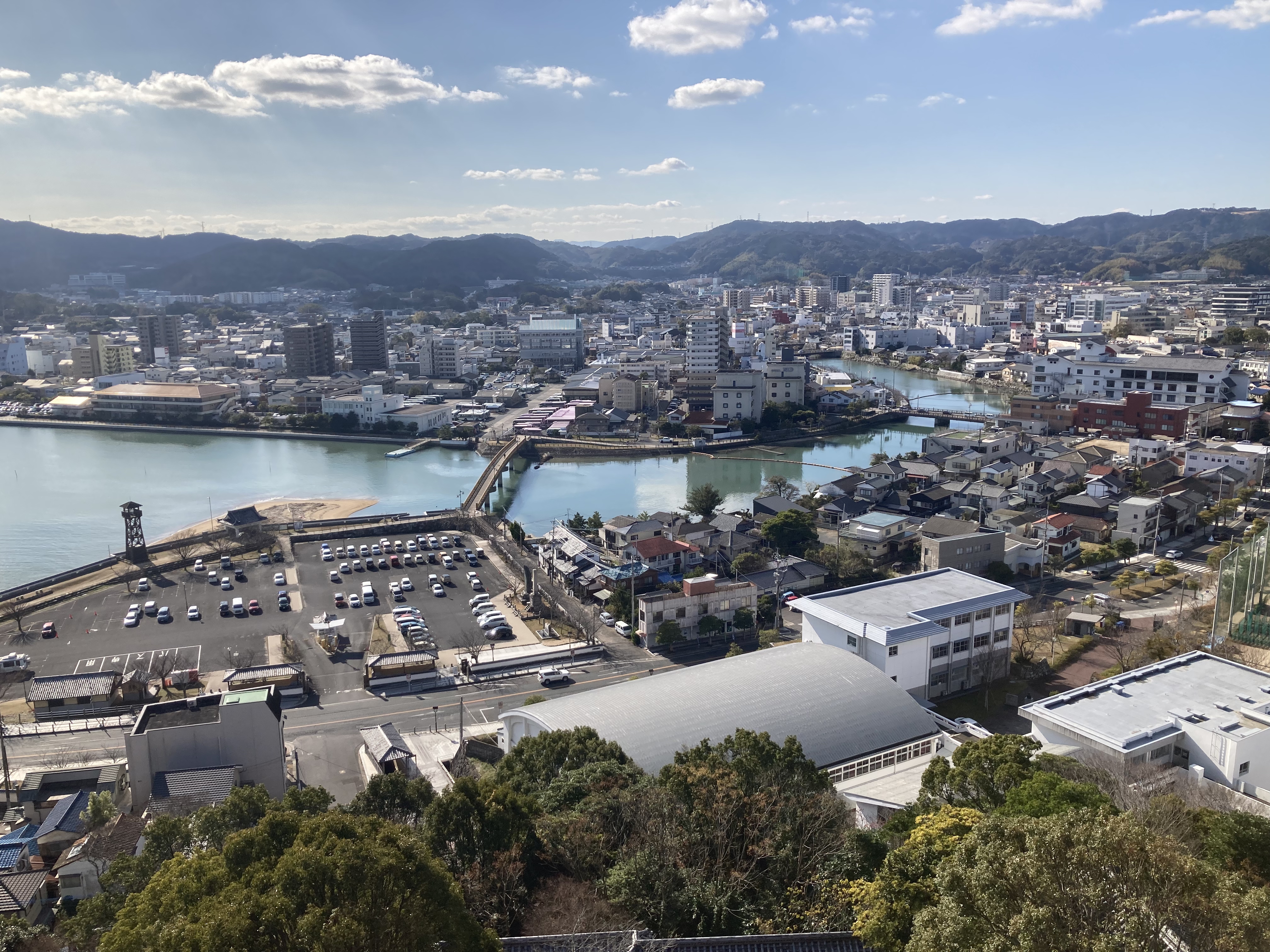


Stu. My photos.
 Let's Dive into Japanese History
You must be logged in to post a comment.